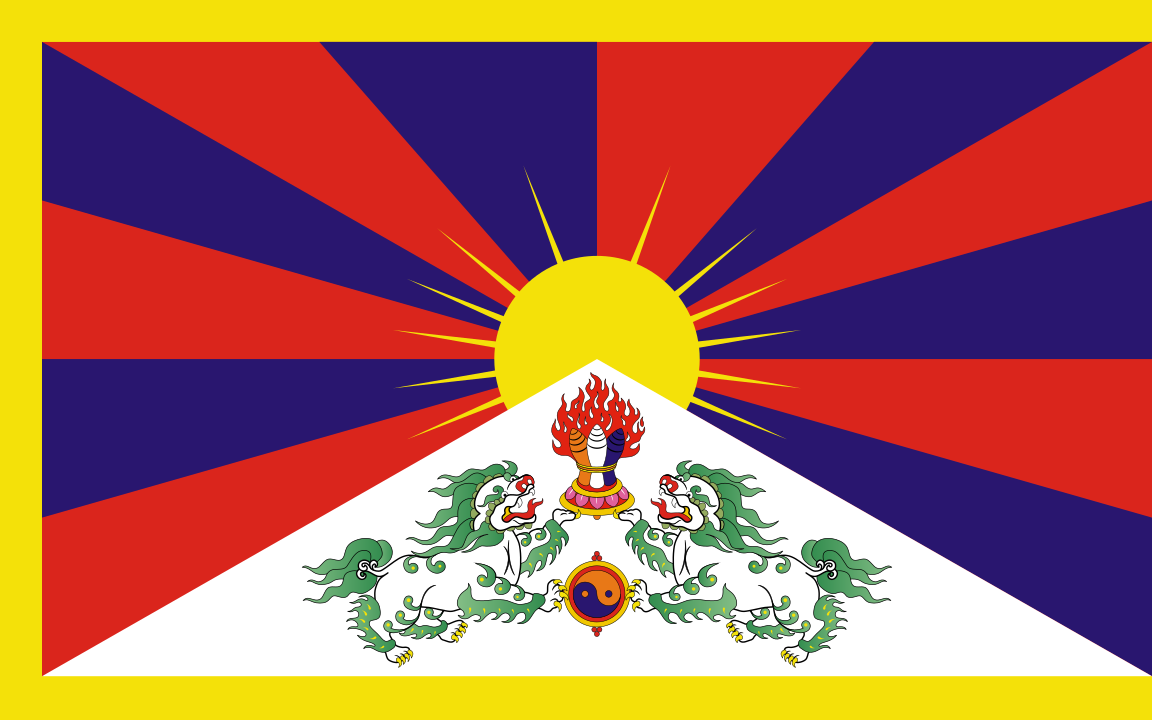

Where the Monastery Stands
Hunsur, Karnataka
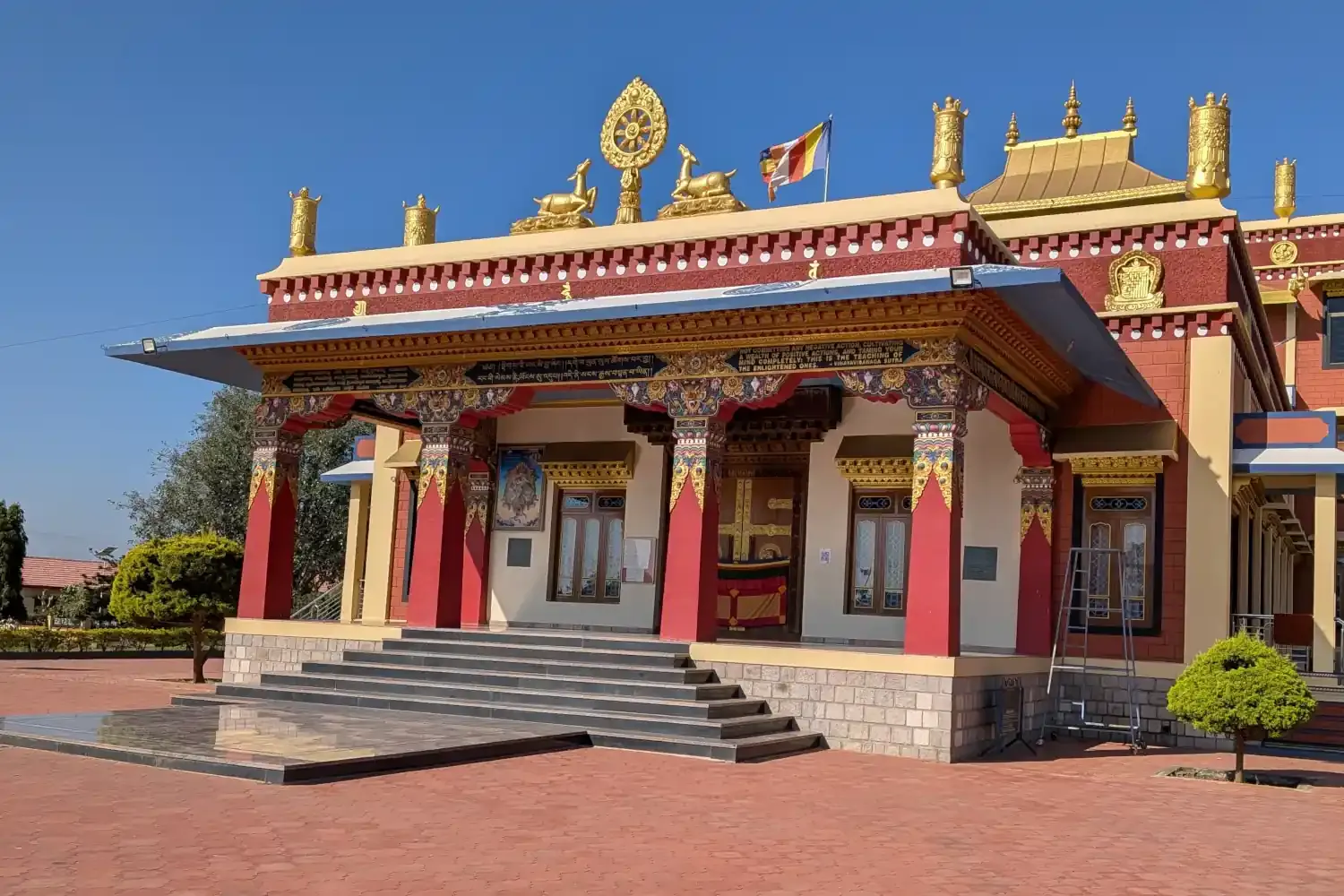
Dzongkar Choede is in the Rabgayling Tibetan Settlement at Gurupura, near Hunsur in Karnataka, southern India. The land was made available in 1972, and what began as mud walls and bamboo thatch is now a working monastery of more than three hundred monks.
The setting is not the one the tradition was formed in. The monsoon arrives where it never used to, the crops are different, and the surrounding villages speak Kannada. The monastery has been at this address for longer than most of its monks have been alive.
A Day Here
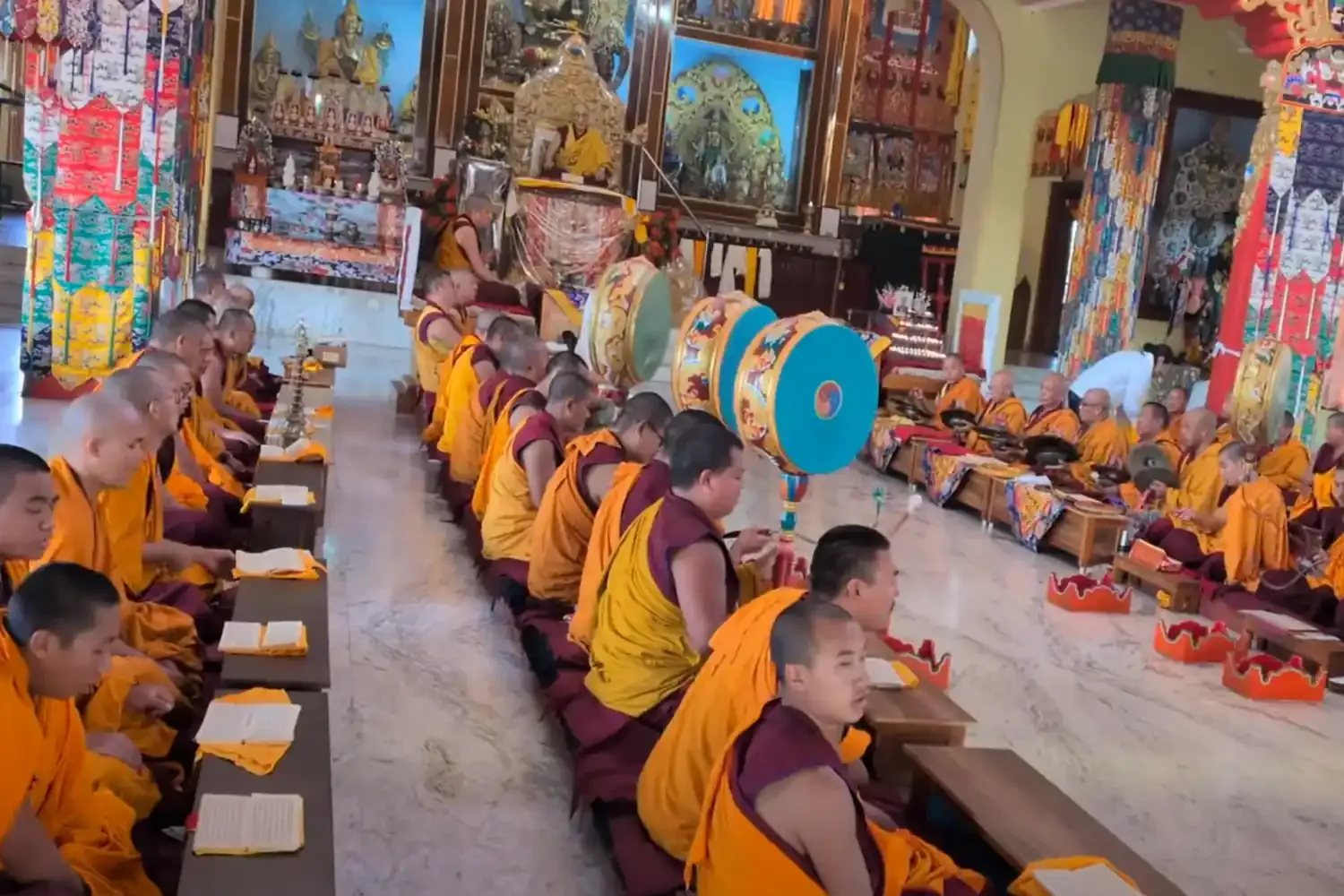
The day begins before dawn with chant in the prayer hall. By mid-morning the same monks are in class working through a philosophical text line by line; by late afternoon the courtyard is loud with debate, clapped hands and raised voices.
Around that, the ordinary work of feeding, teaching and looking after several hundred people goes on. Monks belong to khangtsens — smaller residential houses within the monastery — which is how a community of this size keeps the closeness of a small one.
About
This page is the overview of the main institutional and communal layers of Dzongkar Choede. It is meant as a calm starting point from which visitors can read further about the monastery today, its history, its leadership, its community, and its practical structures.
Learn more about us
Our Heritage
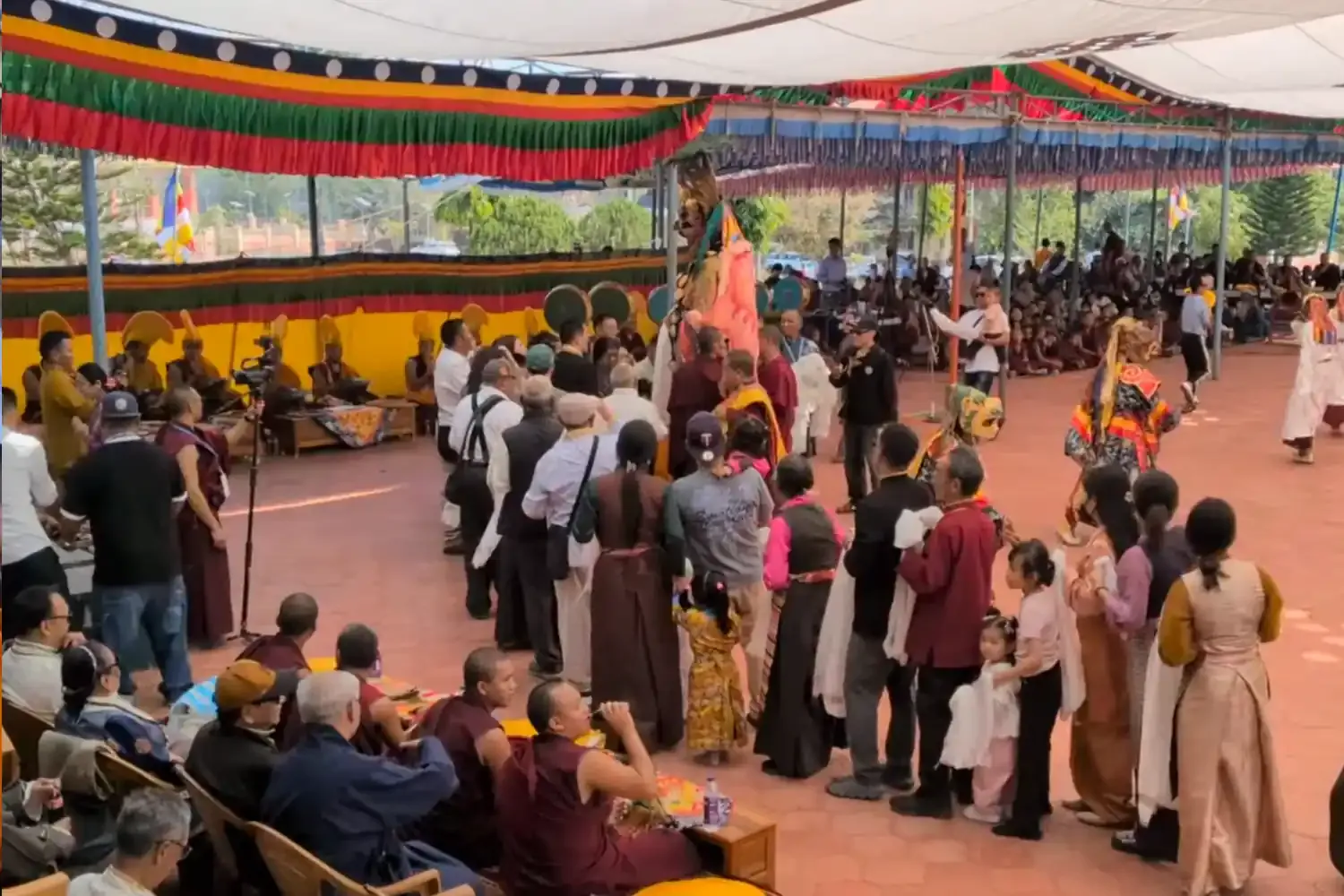
Dzongkar Choede Monastery carries the royal and spiritual heritage of western Tibet, rooted in the sacred landscape of Mang-yul Upper Gung-thang and connected to the royal palace of Khunzong Karpo. Read the full account here.
Our Monastic Tradition
For centuries, the monastery has preserved Buddhist philosophy, meditation, tantric ritual practice, monastic chanting, debate, sacred dance, and ritual arts. These dimensions are set out in the Seven Pillars of monastic life.
Our Rebirth in Exile
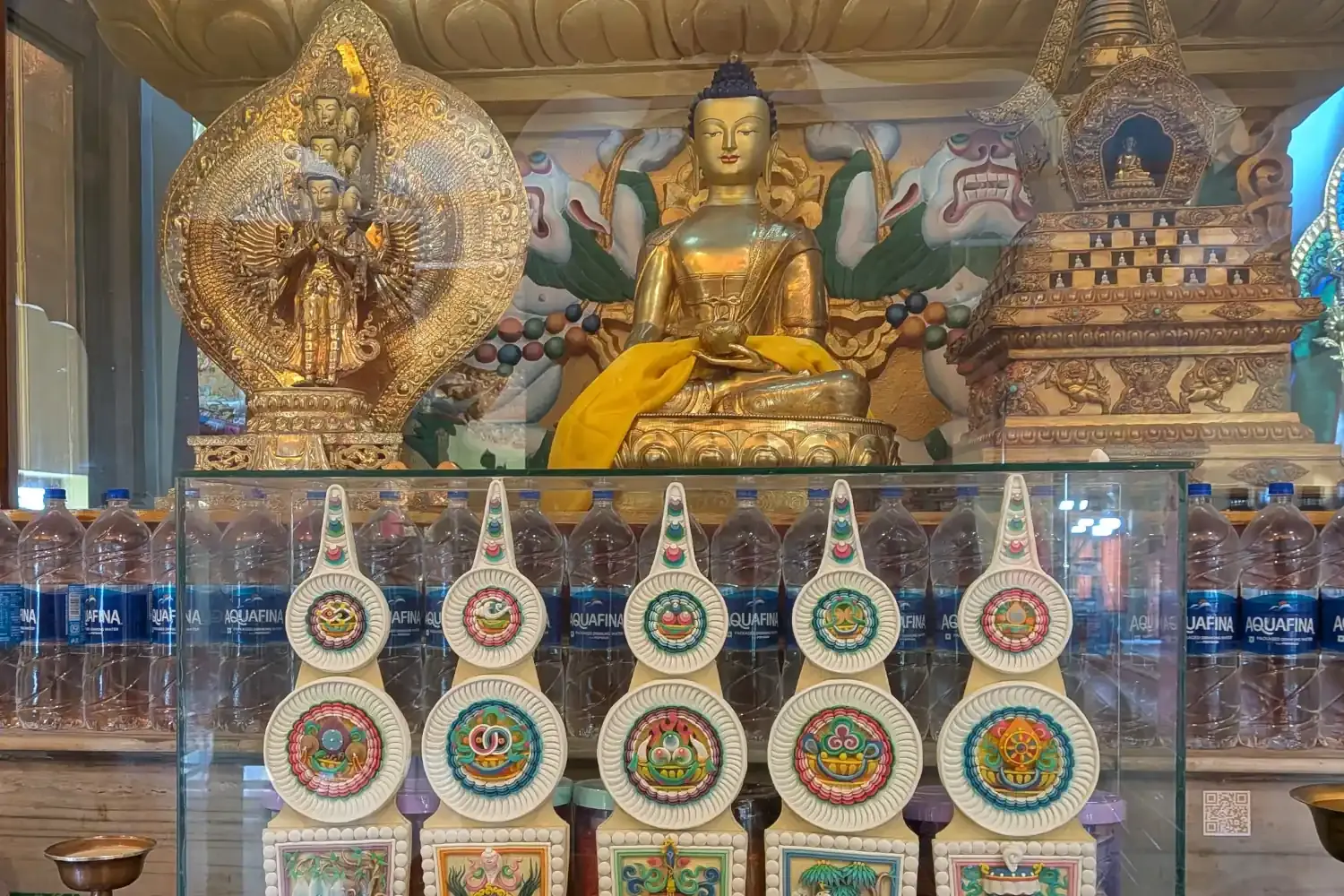
After the destruction of the original monastery in Tibet, Dzongkar Choede was rebuilt in South India in 1972 under the guidance of His Holiness the 14th Dalai Lama and with the support of the Government of India.
Abbots & Leadership
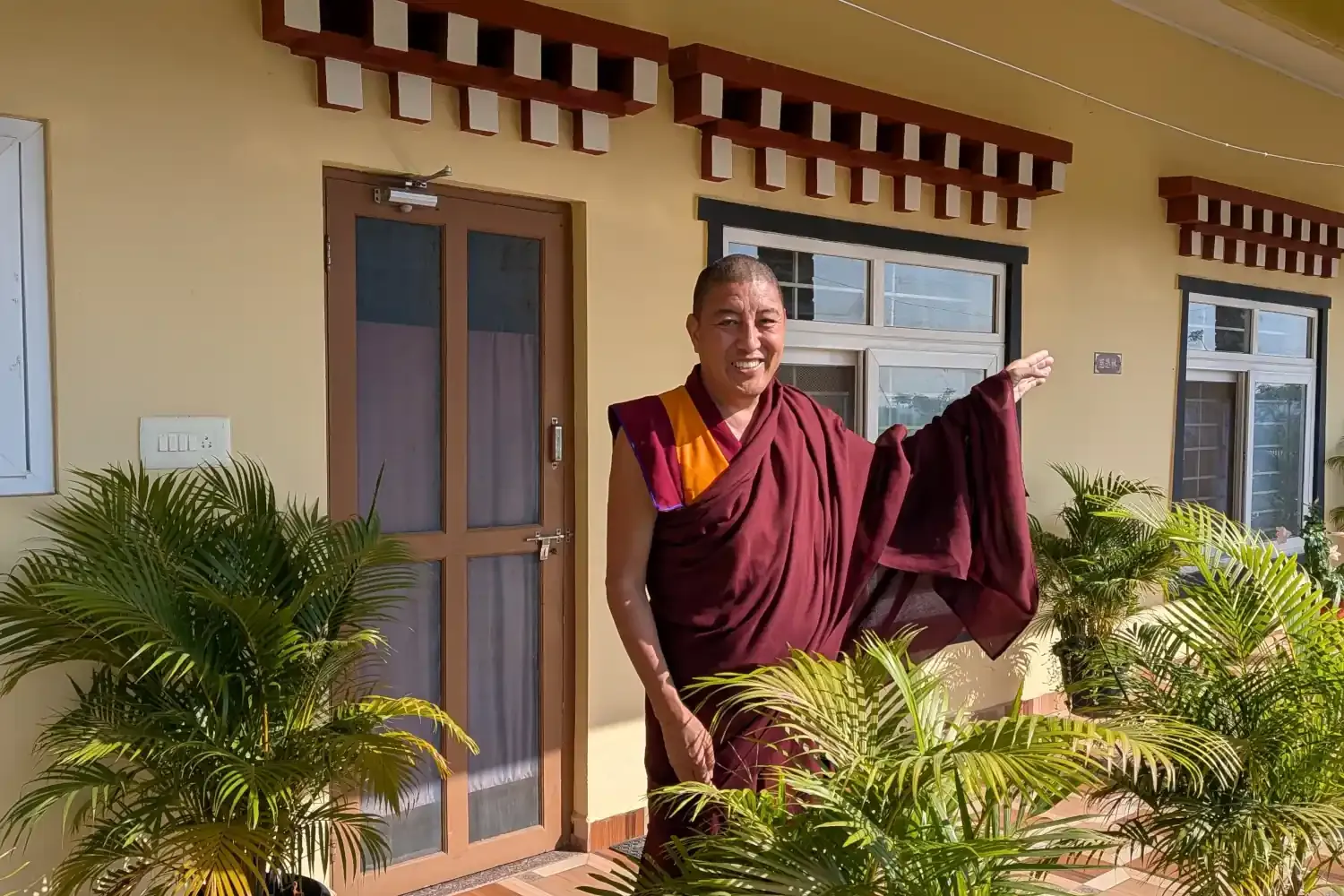
The lineage of abbots who have guided the monastery through exile and renewal.
The Community
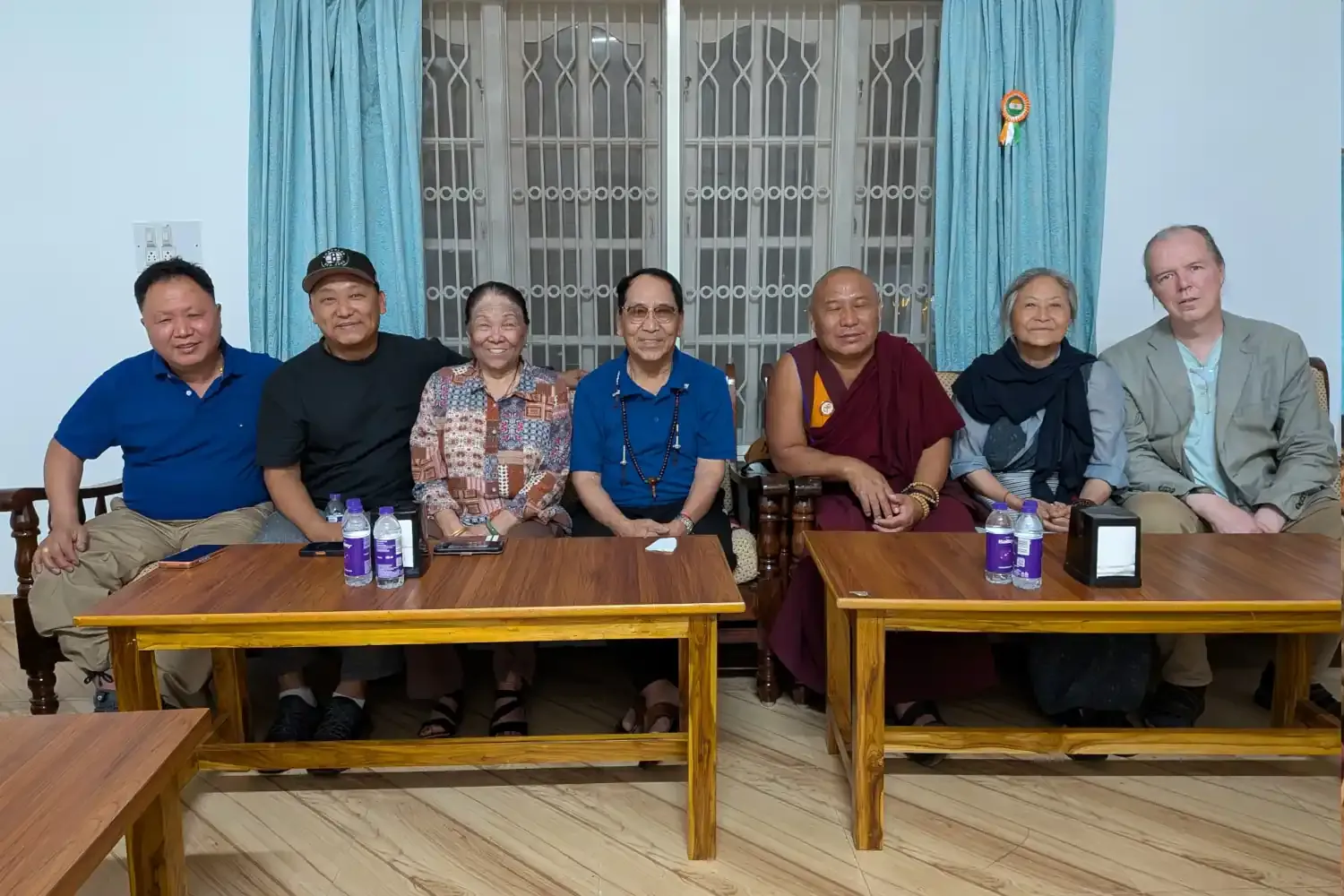
More than 300 monks, the school they attend, and the clinic that looks after them. How the monastery holds together as a place people live.
The Monastery Today
What a day at Dzongkar Choede actually looks like: chant before dawn, philosophy by mid-morning, and a courtyard loud with debate by the afternoon.
Administration
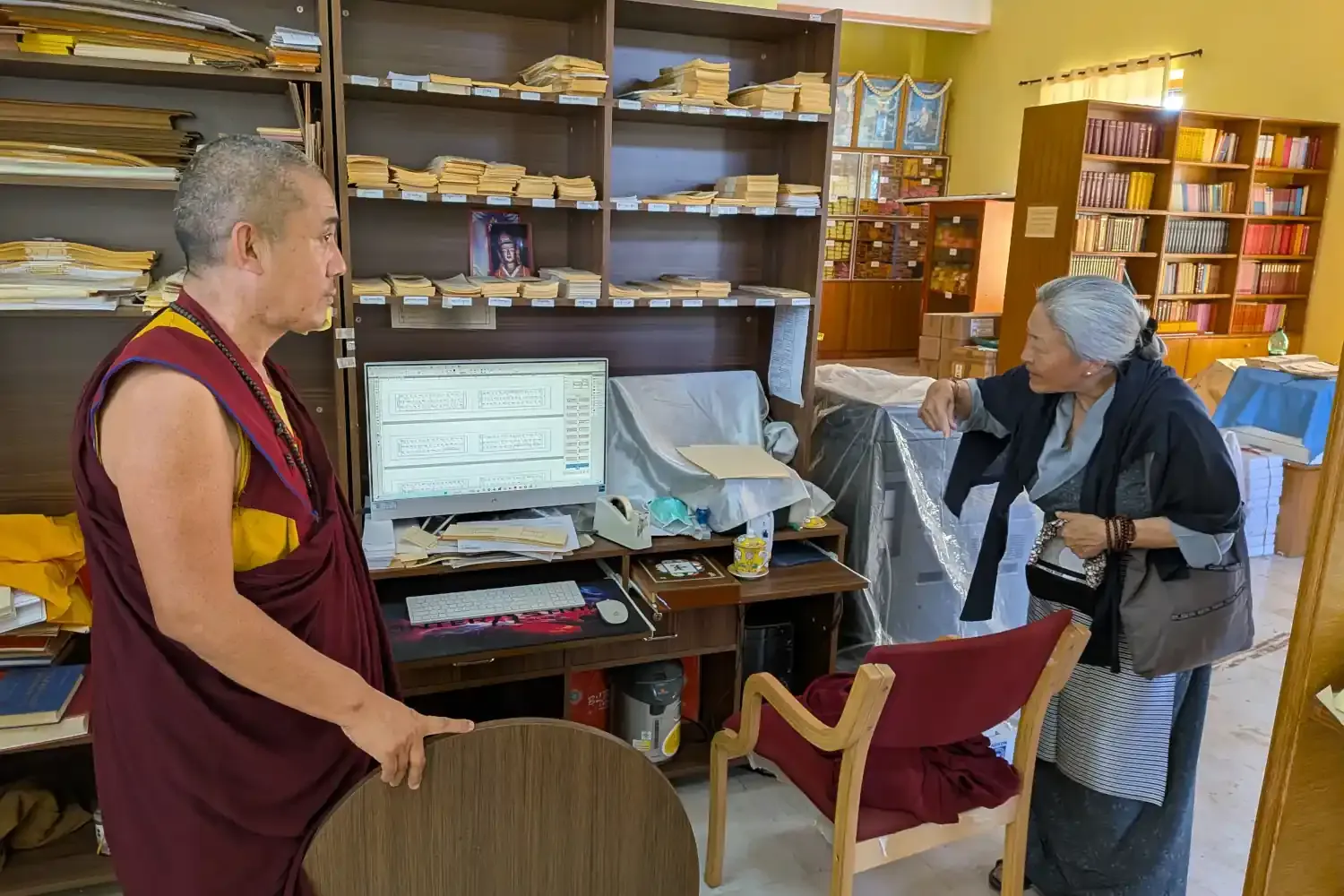
The governing body responsible for the monastery's stewardship today.
Contact
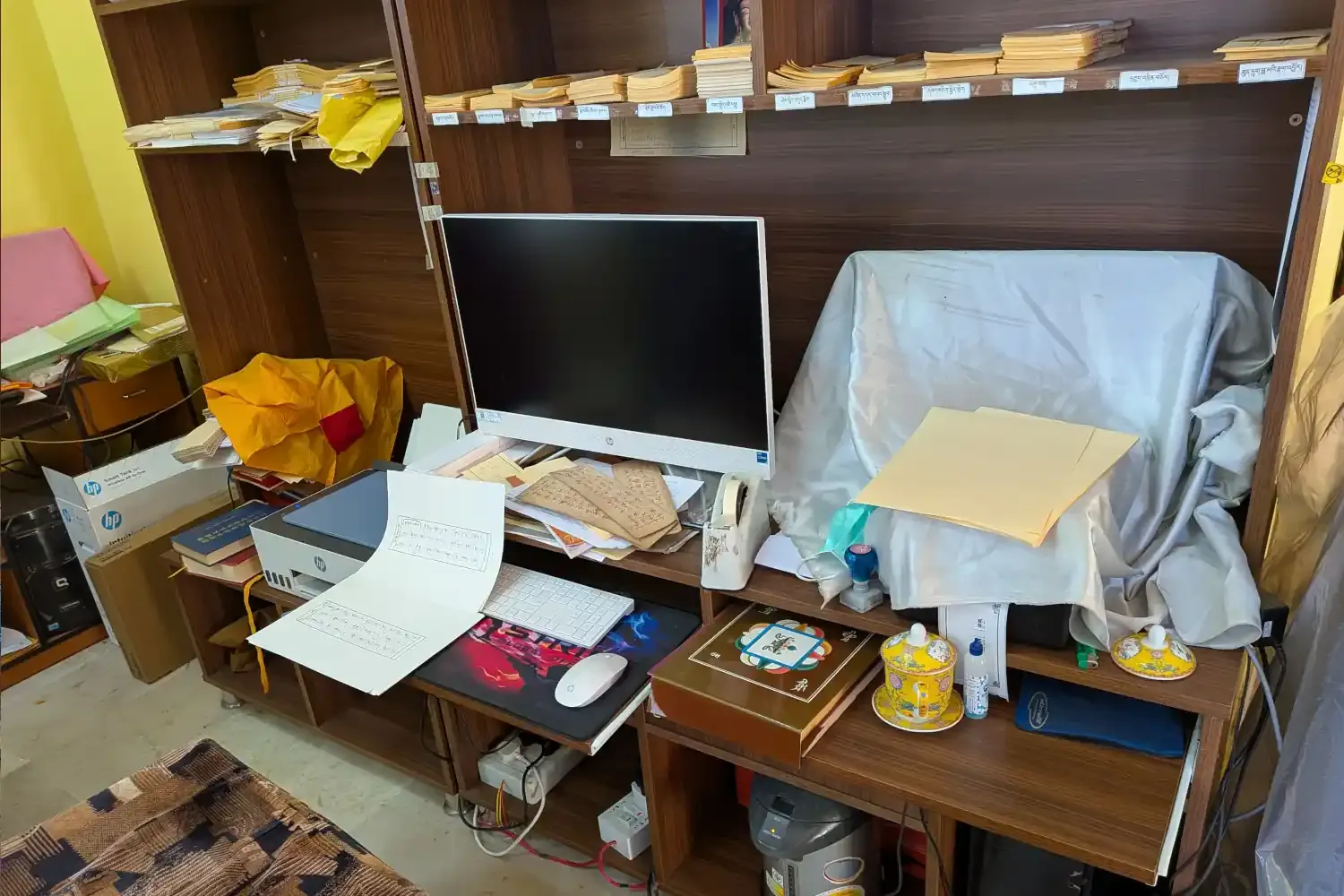
Get in touch with Dzongkar Choede Monastery.
Support
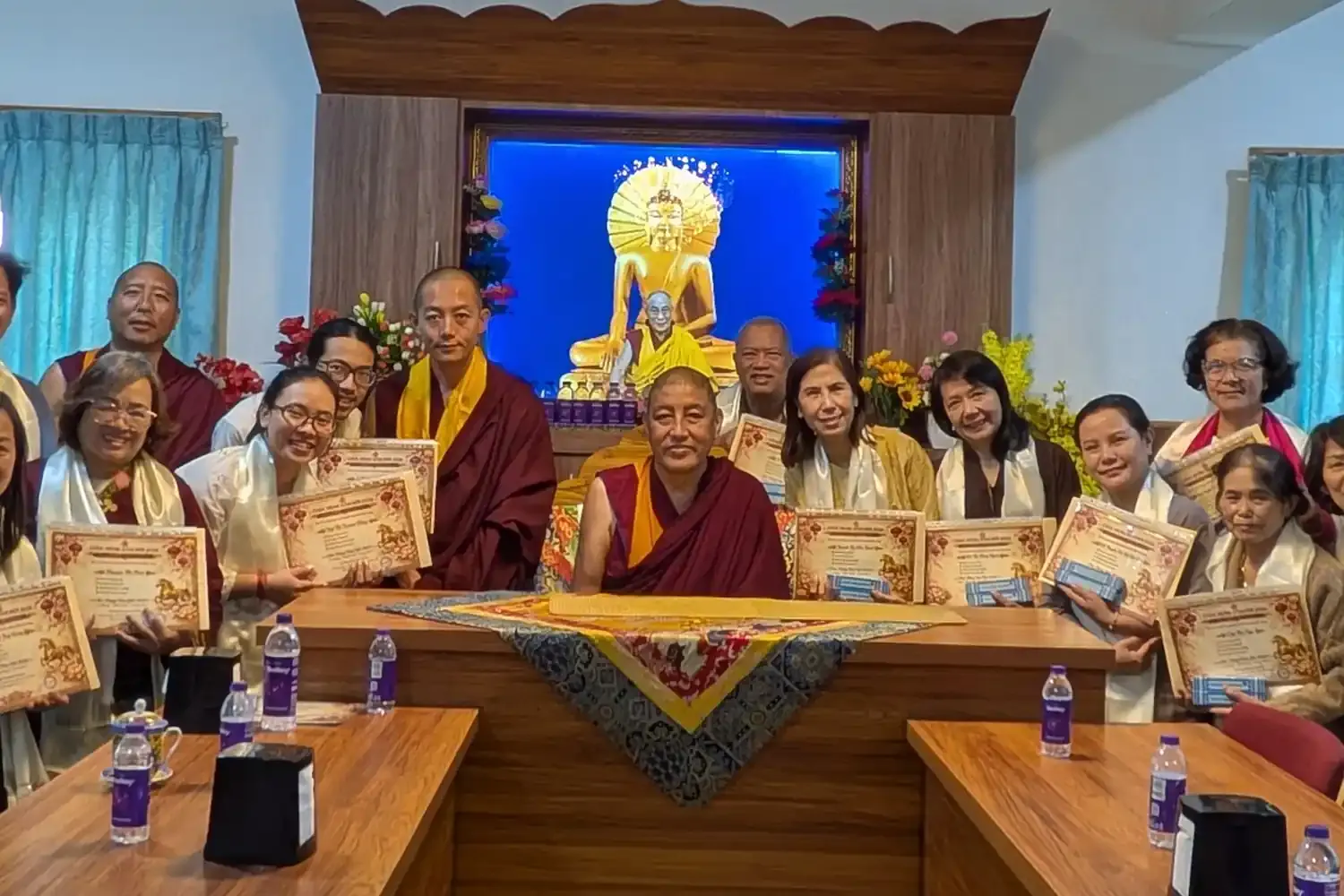
How the monastery is sustained, and how to contribute if you would like to.
Stay Close to the Monastery
Receive occasional stories, teachings and glimpses of daily life from Dzongkar Choede. Occasional means occasional — a few times a year, when there is something worth sending.
If this resonates with you
The monastery has stood since 1270 and will quietly continue on its path. If something here speaks to you, consider making a contribution — and walking part of the way with us.
Support